









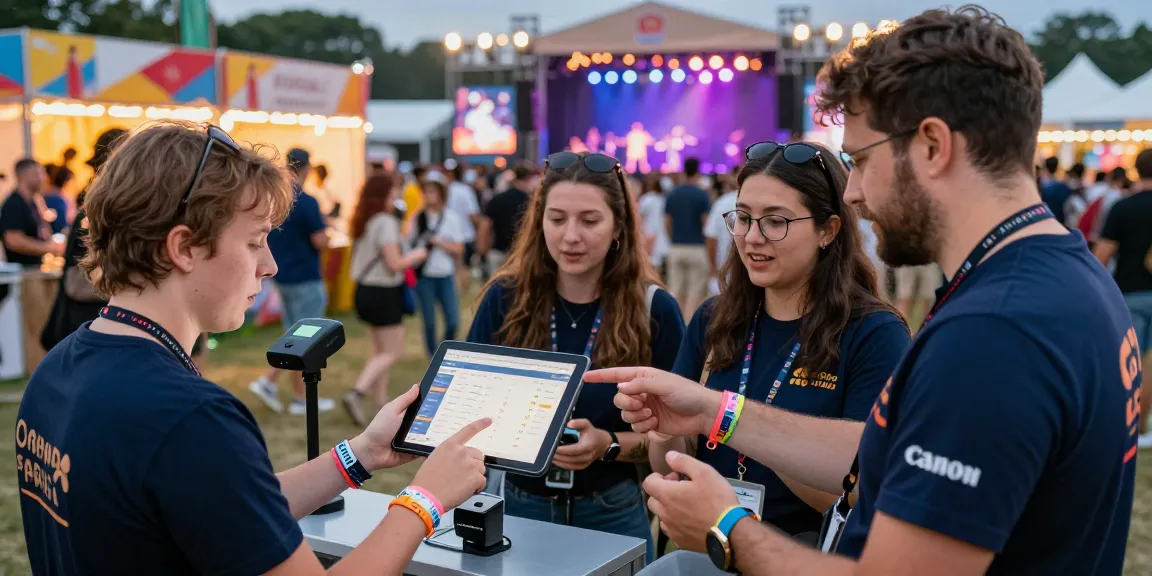
Understanding Digital Bracelet Access Control
In the world of event management, ensuring efficient access control is paramount for both security and attendee satisfaction. Digital bracelet access control integrates cutting-edge technology to streamline the entry process, minimize wait times, and enhance the overall experience for festival-goers. Utilizing NFC (Near Field Communication) technology, these smart devices provide seamless and contactless access, transforming traditional methods into an innovative, user-friendly solution. When exploring options, control de acceso con pulsera digital offers comprehensive insights into how to implement this technology effectively.
What is Digital Bracelet Access Control?
Digital bracelet access control refers to the use of electronic wristbands embedded with NFC technology that allow event organizers to manage and monitor entry points at events. These wristbands are programmed with unique identifiers that enable quick scanning and verification, significantly reducing bottlenecking at entrances. Additionally, they can be customized to provide different levels of access based on ticket types, ensuring that only authorized individuals can enter specific areas.
How It Works: NFC Technology Explained
NFC technology facilitates communication between the wristband and a reader when they are in close proximity. When a wristband is scanned, the reader sends a signal to the backend system to verify the user’s credentials. This process takes mere seconds, allowing thousands of attendees to enter venues efficiently. The backend system can also log data in real-time, providing organizers with valuable insights into attendance patterns and crowd dynamics.
Advantages Over Traditional Access Methods
- Reduced Wait Times: The speed of digital bracelet scanning can facilitate the entry of over 2,000 individuals per hour.
- Enhanced Security: Unique identification reduces the risk of unauthorized access and fraud.
- Data Collection: Organizers can collect valuable data about attendee behavior and preferences, aiding future event planning.
- Customization: Wristbands can be tailored to offer different access levels, including VIP and general admission.
Implementing Digital Access Solutions for Events
To successfully implement digital access solutions, event organizers must consider several factors. It’s essential to choose a system that aligns with the size and scale of your event. Each event presents unique challenges, from small corporate gatherings to large-scale festivals with tens of thousands of attendees, and having a tailored approach is critical.
Choosing the Right System for Your Event Size
Selecting the appropriate access control system begins with assessing the number of expected attendees and the layout of the venue. For smaller events, basic NFC wristbands may suffice, while larger festivals necessitate more robust systems capable of handling high volumes of entries and exits. Verifying the provider’s experience with similar events can also guide this decision.
Key Features to Look For in a Provider
When evaluating potential providers, consider the following features:
- Integration Capabilities: The system should seamlessly integrate with existing event management software.
- Real-Time Monitoring: Access to dashboards that show live data on attendance and access points.
- Customer Support: Reliable support before, during, and after the event is crucial.
- Data Security: Ensure the provider complies with data protection regulations to safeguard attendee information.
Step-by-Step Implementation Guide
- Define Your Needs: Establish the scale of your event and specific access control requirements.
- Select a Provider: Research and choose a provider who aligns with your event goals.
- Customize the Wristbands: Work with the provider to create wristbands tailored to your event.
- Setup Infrastructure: Install necessary scanning equipment at entry points and ensure robust internet connectivity.
- Conduct Testing: Perform a dry run before the event day to resolve any potential issues.
- Train Your Staff: Ensure all personnel are familiar with the system and protocols.
Real-Time Attendance Management and Analytics
Managing attendance in real-time helps keep track of crowd dynamics and ensures safety protocols are being followed. It allows event organizers to react quickly to changing situations and optimize resource allocation.
Benefits of Real-Time Data Monitoring
- Improved Safety: Monitor crowd density and ensure safe occupancy levels in various zones.
- Enhanced Experience: Adjust entry and exit strategies in response to real-time data.
- Data-Driven Decisions: Use the data to make informed choices for future events.
Using Analytics to Optimize Event Operations
Real-time analytics also enable organizers to analyze vendor performance, attendee preferences, and peak entry times. By understanding these dynamics, organizers can make strategic adjustments that enhance the attendee experience and improve operational efficiency.
Case Studies: Success Stories from Major Events
Many large-scale events have successfully integrated digital bracelet access control, yielding remarkable improvements in attendee management. For instance, the SoundWave Festival managed to facilitate the entry of 40,000 attendees without any queue issues, showcasing the efficiency of digital solutions in real-world scenarios. Similarly, TechCon Global experienced a drastic reduction in the time taken for vendor reporting, allowing them to access critical sales data almost instantaneously post-event.
Enhancing Revenue Streams with Cashless Transactions
One of the standout features of digital wristbands is their capability to support cashless transactions, which can significantly affect revenue generation at events. Integrating cashless payment systems eliminates the need for physical currency, streamlining purchases and enhancing the overall experience.
Integrating Cashless Payments for Vendors
By adopting a cashless system, vendors can expedite transactions, reducing wait times for attendees. This efficiency often leads to increased sales, as studies suggest that customers are more likely to spend when they aren’t limited by cash. The automatic reload features in digital wristbands also encourage attendees to spend more liberally.
Strategies to Maximize Sales Through Digital Wristbands
- Promotional Offers: Encourage pre-event deposits or bundle deals that incentivize usage.
- Visibility: Ensure vendors utilize signage that highlights cashless payment options to attract tech-savvy attendees.
- Feedback Mechanisms: Implement systems to collect feedback on vendors and transactions, allowing for continuous improvement.
Measuring the Impact of Cashless Systems on Revenues
Post-event analysis can provide significant insights into the effect of cashless systems on overall revenue. Metrics such as average transaction values and total sales per vendor can illustrate improvements and help with future financial forecasting.
Future Trends in Event Technology
The landscape of event technology is constantly evolving. As we approach 2026, it’s crucial for organizers to stay ahead of emerging trends that promise to reshape attendee engagement and operational efficiency.
The Rise of Wearable Technology in Events
Wearable technology is gaining traction beyond just wristbands, with potential applications including smart clothing and augmented reality devices. These innovations could further enhance the event experience, providing immersive and interactive environments for attendees.
Predictions for Event Management in 2026 and Beyond
Experts suggest that by 2026, digital access will become standard practice across the industry. Features such as biometric verification and AI-driven analytics will likely become commonplace, providing even more robust solutions for attendee management and event security.
Preparing for the Next Generation of Attendee Engagement
Event organizers must continue to adapt to changing technologies and preferences. Understanding your audience and embracing the latest tech trends will be essential for delivering unforgettable experiences.
How Secure is Digital Access Control?
Security remains a top concern for both organizers and attendees. Digital bracelet systems employ multiple layers of security, including encryption and secure servers, to protect sensitive data. Regular audits and updates can help maintain system integrity, ensuring a safe environment for all parties involved.
What Events Benefit Most from Digital Wristbands?
While any event can benefit from digital wristbands, large-scale festivals and corporate events with multiple access levels stand to gain the most. The ability to manage complex entry scenarios and gather real-time data makes digital solutions invaluable in these contexts.
Can Digital Wristbands Be Used for Multiple Events?
Yes, digital wristbands can be programmed for multiple uses across different events. This flexibility allows event organizers to leverage the same technology for various occasions, simplifying logistics and reducing costs associated with hardware.
What Are the Costs Associated with Implementing Digital Access?
The costs of implementing digital access solutions vary based on the provider, scale of the event, and specific features required. While initial investments may seem significant, the long-term benefits—increased efficiency, data collection, and enhanced revenue—often justify the expenditure.
How to Troubleshoot Common Issues with Digital Access Systems?
Event organizers should prepare for potential issues by establishing a troubleshooting guide and ensuring staff are trained on common problems. Regular inspections of equipment and backup systems can also mitigate downtime during the event.